
Rodrygo wants an early return, Real Madrid chooses caution
Trả lời nhanh: Real Madrid chưa để Rodrygo trở lại thi đấu. Bộ phận y tế muốn cầu thủ hoàn tất hồi phục, dự kiến tập lại cùng đội trong tháng 1; Rodrygo mong có vài phút ở Copa del Rey ngày 16 tháng 12. Mốc trở lại đầy đủ được nêu là Siêu cúp Tây Ban Nha đầu tháng 2. Sự kiện chính: - Rodrygo chưa tập cùng đội một; lộ trình dự kiến tập lại trong tháng 1. - Cầu thủ mong ra sân ở Copa del Rey ngày 16 tháng 12; câu lạc bộ ưu tiên hồi phục hoàn toàn. - Mốc trở lại thi đấu đầy đủ được nêu là Siêu cúp Tây Ban Nha đầu tháng 2 tại Istanbul. - Rủi ro chính là tái phát chấn thương nếu trở lại sớm; câu lạc bộ chọn không mạo hiểm. - Vắng mặt kéo dài làm tăng tải phút thi đấu của các tiền đạo còn lại. Nguồn: Goal.com dẫn lại AS (nhật báo thể thao Tây Ban Nha); ngày đăng cụ thể không được nêu trong tài liệu gốc. Các mốc ngày 16 tháng 12 và đầu tháng 2 cần đối chiếu với lịch thi đấu chính thức. Hỏi đáp liên quan: Hỏi: Rodrygo khi nào trở lại thi đấu? Đáp: Câu lạc bộ hướng tới việc tập lại cùng đội trong tháng 1 và ra sân đầy đủ vào đầu tháng 2 tại Siêu cúp Tây Ban Nha. Hỏi: Vì sao Real Madrid không để Rodrygo trở lại sớm? Đáp: Bộ phận y tế đánh giá nguy cơ tái phát chấn thương cao hơn lợi ích của vài phút thi đấu trong tháng 12. Hỏi: Việc Rodrygo vắng mặt ảnh hưởng thế nào đến hàng công? Đáp: Tải phút thi đấu dồn lên Vinícius Júnior, Kylian Mbappé và phần còn lại của hàng công trong giai đoạn lịch thi đấu dày.
A short report published by AS and relayed by Goal.com places two dates roughly seven weeks apart side by side. On 16 December, Real Madrid play a Copa del Rey tie, and Rodrygo tells those around him he only needs a few minutes on the pitch. In early February, the club plays the Spanish Super Cup in Istanbul. The medical department treats that as the realistic target. The gap between the two dates is set by the recovery chart, not by how the player feels.
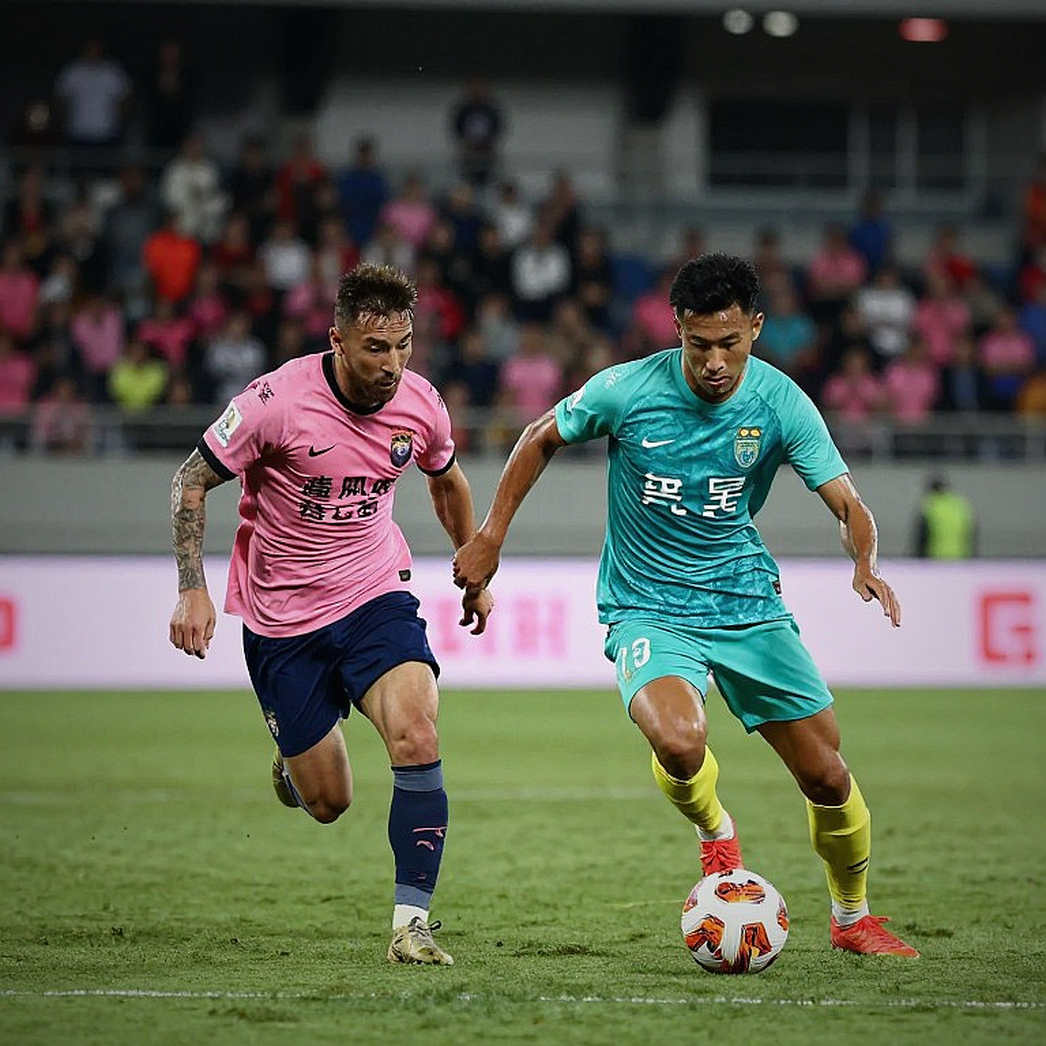
Rodrygo is still in treatment and has not returned to first-team training. According to the report, Real Madrid's medical staff want him to complete his recovery before playing rather than shorten his spell on the sidelines. The stated path is clear: return to team training in January, rebuild fitness, and only then consider competitive minutes. The player himself is impatient and keen to cut the wait short.
Place that plan against the calendar and the problem sharpens. January is not a quiet month in Spain. La Liga restarts after the winter break, the Copa del Rey moves into knockout rounds, and the Spanish Super Cup sits in wait. For a club competing on three fronts, there is a match almost every week. Losing a versatile forward removes an attacking option and pushes minutes onto everyone else.
From a data-analytics standpoint, the notable thing about this report is how little data it contains. No xG, no minutes, no pressing numbers. It has two dates and one attitude. That does not make it worthless, but it changes how to read it: this is a load-management case, not a tactical one.
Based on my experience covering La Liga matches across several seasons, I read this kind of file in three layers.
The visible layer is the timeline. The gap between mid-December and early February is not small. When a medical department offers a window that wide, it usually has not finished reading the injury. A precise date signals a clear diagnosis. A wide window signals waiting on soft-tissue response before committing.
Beneath that sits reinjury risk. With muscle injuries the first return is always the riskiest, because a player steps out with confidence levels that differ from biological readiness. Playing on 16 December means entering a match short of high-intensity sessions. Returning in January after team training means entering with a tested base.
The deepest layer is load shifted onto others. Every match Rodrygo misses is a match Vinicius Junior, Kylian Mbappe and the rest of the attack carry extra. In a congested stretch, that is a domino effect the injury bulletin does not display. Every number tells a story. The story is not in the number.
The headline 'a dream colliding with caution' is editorial framing, not a quote. Read closely, the two sides are not in dispute over anything substantive. The player wants to play. The club wants him fully fit. Both are true, and neither cancels the other.
What gets missed is that the caution itself carries risk. If Real Madrid hold Rodrygo back and the attack takes another hit, the media story flips from 'wise decision' to 'mismanagement'. Data does not erase emotion. It explains why the emotion exists. Results pressure at a big club always needs someone accountable, and that someone is usually the doctor.
For the player, a long layoff is not purely physical. I usually separate two kinds of risk in this type of file: mechanical risk and status risk. The second never shows on a scan, but it shows on a manager's selection chart.
And if the absence stretches further, the story touches another layer. The transfer market is where impatience gets priced. A young forward sitting out for weeks will surface in conversations about his future, even when the club wants no part of it.
What to watch over the next few weeks is very concrete: whether Rodrygo returns to partial team training. If reports of him joining a session appear in January, the medical plan is holding. If mid-January arrives with no signal, the early-February window has to be recalculated too. Any return date should be read as a forecast, not a settled fact.